
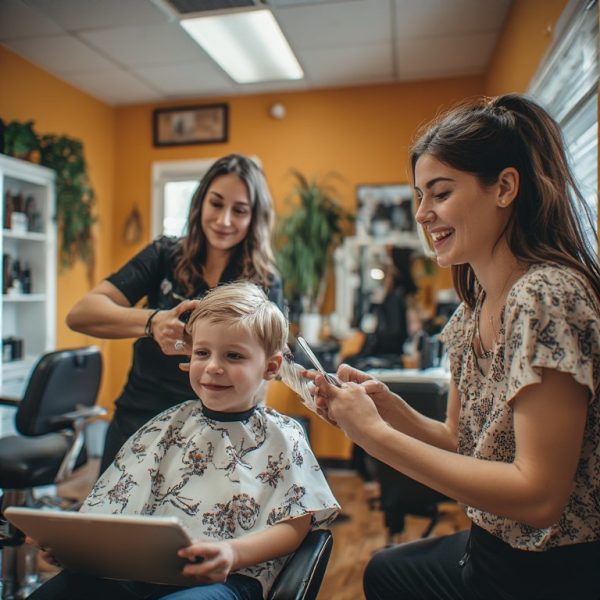
Salons specializing in autism-friendly services are transforming what can often be a stressful grooming task into a calmer and more positive experience for many families. For children on the autism spectrum, even a routine kid’s haircut can involve sensory challenges that make traditional salon visits difficult. However, when salons intentionally adapt their environment and approach, haircuts can become far more comfortable and predictable.
Children with autism often experience the world through heightened sensory awareness. As a result, common salon elements—such as buzzing clippers, bright lights, or strong product scents—may quickly lead to sensory overload. Fortunately, many stylists and salons are recognizing these challenges and adjusting their practices to better support neurodiverse clients
Salons with a Special Focus
Finding the right place for a kid’s haircut can feel like a major milestone, especially for those with children with special needs. Traditional salons are typically designed for speed and efficiency, yet children with autism often need patience, flexibility, and a quieter environment. Consequently, a rushed or overstimulating setting can lead to anxiety, tears, or unfinished haircuts.
This is where salons specializing in autism-friendly services make a meaningful difference. These salons intentionally create an atmosphere that reduces sensory stress and promotes comfort. For example, some offer quiet appointment times during slower hours of the day. Others reduce background music, soften lighting, or limit the number of clients in the space at one time.
Additionally, stylists trained in autism awareness understand that every child responds differently to sensory input. Therefore, they focus on building trust and adjusting their techniques based on the individual child’s needs.
Autism Friendly Salons – Reducing Sensory Overload
The most effective autism-friendly salons take a thoughtful approach to both the environment and the haircut process itself. Small adjustments can dramatically improve a child’s comfort level.
For instance, many stylists introduce tools gradually. Before using clippers, they may turn them on away from the child so the sound is less surprising. Similarly, explaining each step of the haircut beforehand helps create predictability. As a result, children often feel more in control of the experience.
Great stylists frequently adapt their tools and techniques based on the individual they are working with, and the same goes for working with children with autism. Some children prefer scissors over clippers because the vibration can be uncomfortable. Others may benefit from short breaks during the haircut to reset and relax.
Equally important, these salons welcome comfort items. Tablets, favorite toys, headphones, or weighted lap blankets can help a child remain calm during a kid’s haircut. While these accommodations may seem simple, they often make the difference between a stressful visit and a successful one.
Building Trust with Patience and Consistency
Another key strength of salons specializing in autism-friendly services is their focus on long-term relationships with families. Rather than expecting a perfect haircut during the first visit, many stylists prioritize gradual progress. For example, an initial appointment may simply involve sitting in the chair or allowing the stylist to gently touch the hair.
Over time, familiarity with the environment and stylist helps children feel more secure. Consequently, each visit becomes easier and more predictable. What once felt overwhelming may eventually become just another routine kids haircut.
Parents also play an important role in this process. By sharing information about their child’s sensory triggers, preferred routines, and calming strategies, they help stylists tailor the experience more effectively. Together, families and stylists create a supportive partnership focused on the child’s comfort.
Haircuts for Special Folks, Calm for Everyone
As awareness of sensory needs continues to grow, more salons are beginning to adopt autism-friendly practices. While specialized training and patience are essential, the rewards are significant. Children gain confidence, parents feel supported, and salons build lasting relationships with grateful families.
Ultimately, grooming should be accessible and comfortable for everyone. By reducing sensory triggers and prioritizing empathy, salons specializing in autism-friendly services are helping ensure that every child can experience a calm, positive haircut environment.